
How to Store Research Peptides: Lyophilized, Reconstituted and Pre-Filled
Peptides degrade by hydrolysis, oxidation and aggregation. Cold, dark and dry slow all three. The practical rules, by format.
Published 2026-09-18 · APX Labs Research Desk · For laboratory research context only — not medical advice.
Lyophilized vials: refrigerate at 2–8 °C short term, freeze at −20 °C long term, keep dry and dark. Reconstituted solutions: refrigerate, use within the COA window, or aliquot and freeze once. Pre-filled pens: refrigerate, never freeze, keep capped and in the carton. Heat, light, moisture and repeated freeze–thaw are the enemies.
Why peptides degrade
Three processes account for most peptide loss in storage. Hydrolysis — water breaking peptide bonds — needs water, which is why the dry lyophilized form is so much more stable than a solution. Oxidation affects methionine, cysteine and tryptophan residues in particular; Semax, with an N-terminal methionine, is a typical example. Aggregation is driven by heat, shear and concentration. Thermal and photolytic stress on synthetic peptides has been characterised directly [1], and the drying science that produces a stable lyophilized cake is its own field [2].
Lyophilized vials
- Short term (weeks): 2–8 °C, in the original carton, away from light.
- Long term (months or more): −20 °C. The lyophilized cake tolerates freezing well.
- Keep dry. The stopper is the moisture barrier; never leave a vial open. Let a cold vial reach room temperature before opening so condensation does not form inside.
- Light. Amber or carton-shielded is best; UV accelerates oxidation.
Reconstituted solutions
- Refrigerate at 2–8 °C immediately after reconstitution.
- Use within the window on the COA. Bacteriostatic water's preservative limits microbial growth; it does not stop chemical degradation.
- For longer holds, aliquot and freeze once at −20 °C in single-use volumes. Every freeze–thaw cycle costs material; avoid refreezing a thawed aliquot.
- Label with concentration and the date of reconstitution.
Pre-filled research pens
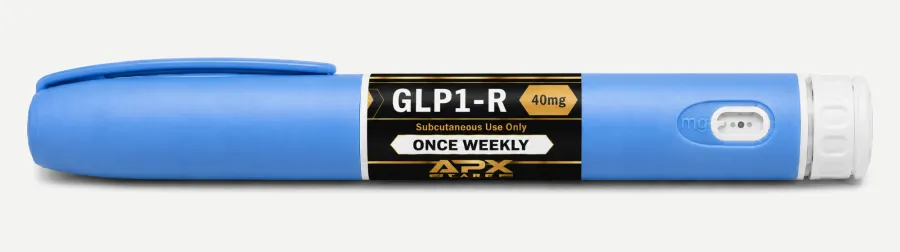
- Refrigerate, 2–8 °C, in the carton.
- Never freeze. Freezing a solution in a pen can damage both the peptide and the device.
- Keep capped between uses and return to the refrigerator promptly.
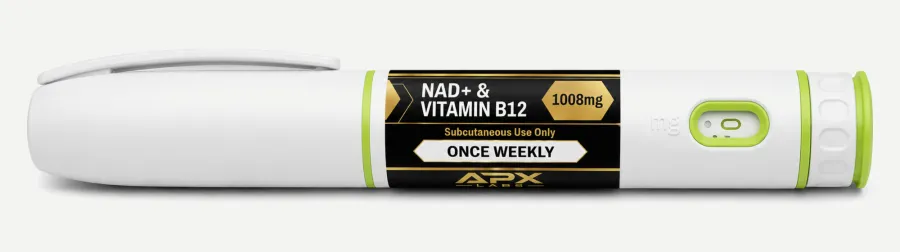
- Light-sensitive contents — the NAD+/B12 pen in particular — should stay in the carton.
In transit
APX Labs ships in temperature-aware packaging and dispatches same or next business day so material spends the minimum time in transit; see shipping. On receipt, refrigerate immediately and check the lot number against the COA.
By compound
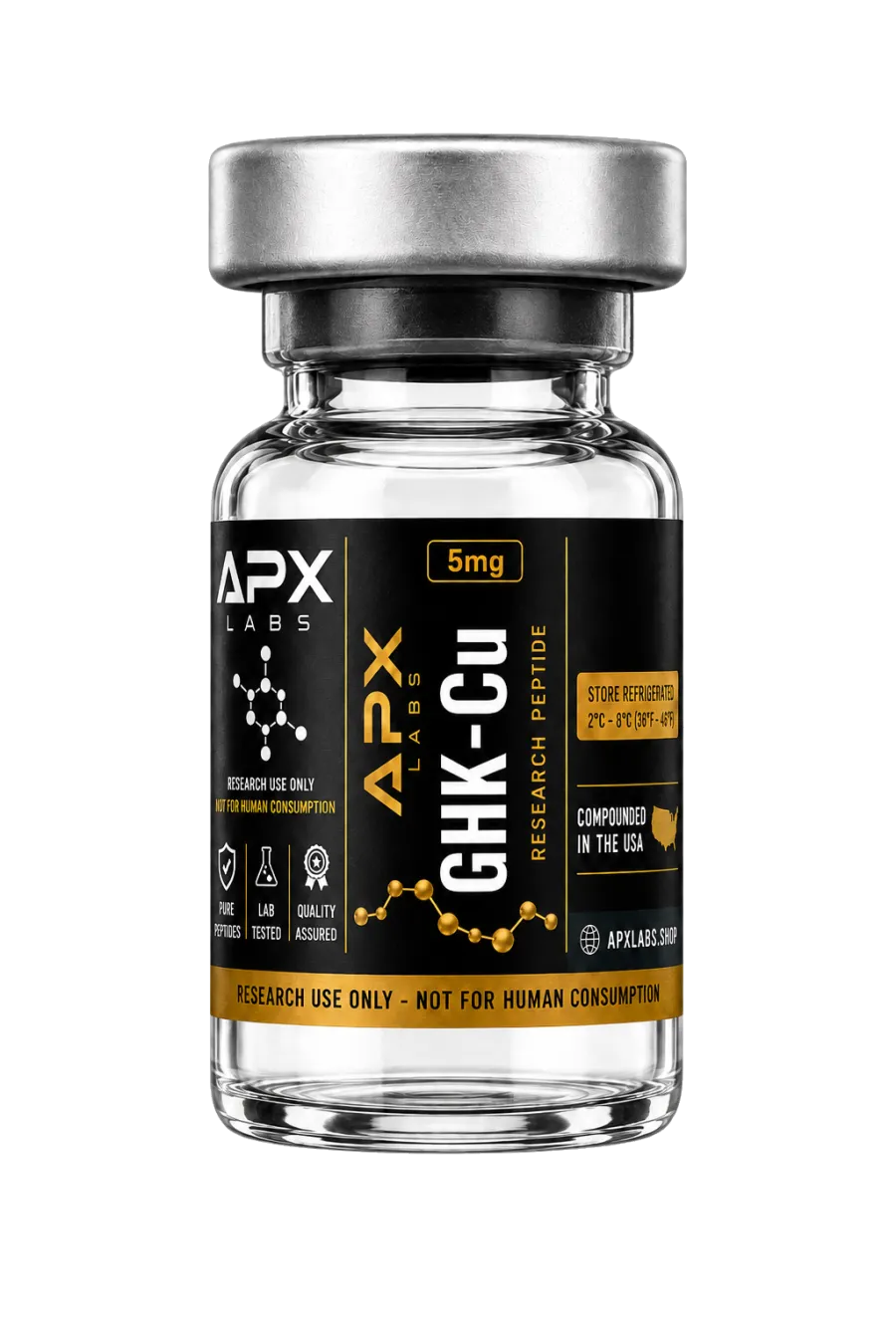
- GHK-Cu: the copper complex is stable as a solid; in solution the blue colour should persist — fading suggests loss of copper coordination.
- IGF-1 LR3: a ~9 kDa protein; more aggregation-prone than short peptides, so avoid shear and freeze–thaw.
- Semax: N-terminal methionine — protect from oxidation; keep dark.
Laboratory handling guidance for research reagents only. APX Labs products are for research use only.
Frequently asked
Should lyophilized peptides be refrigerated or frozen?⌄
Can reconstituted peptides be frozen?⌄
Can pre-filled pens be frozen?⌄
References
Published research cited for context only. Citing a study does not imply APX Labs product was used in it, and is not a claim of any effect.
- Badgujar D, Bawake S, Yuvaraaj VK et al. (2025). Assessment of Thermal and Photolytic Stress Effects on the Stability of Primary Structure of Synthetic Peptides. J Pept Sci. PubMed ↗
- Mane AV, Arora K, Srivastava N et al. (2026). Metamorphosis in Drying Techniques for Biopharmaceuticals. Int J Pharm Compd. PubMed ↗
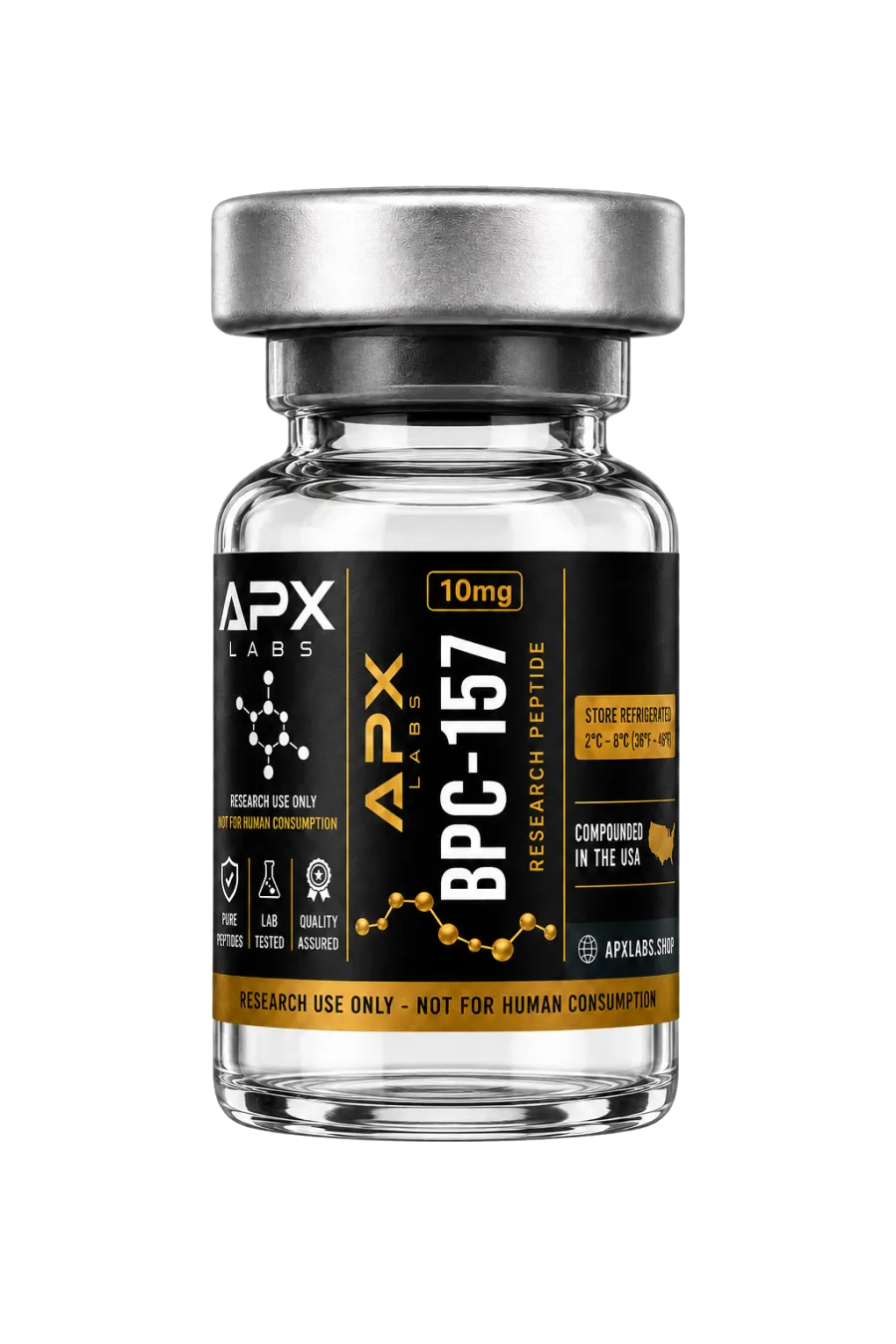
Compounds mentioned
Keep reading
- BPC-157 vs TB-500: What the Research Actually ComparesThe two most-requested recovery-category peptides are structurally unrelated and studied through different pathways. Here is the side-by-side, with sources.
- How to Read a Peptide Certificate of Analysis (COA)Every APX Labs order ships with a batch-specific COA. This is how to read it — and how to tell a real one from a decorative one.
- How to Reconstitute Lyophilized Peptides for Laboratory UseLyophilized peptides arrive as a dry cake in a sealed vial. Turning that into a solution of known concentration is simple, but the details protect the material.
Ready to start your research?
Third-party tested. COA-backed. Shipped discreetly. For research use only.